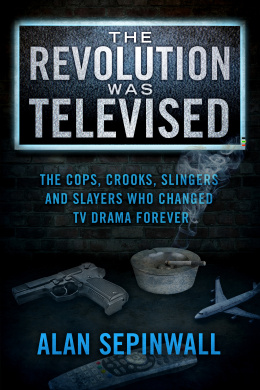
The Revolution Was Televised: The Cops, Crooks, Slingers And Slayers Who Changed TV Drama Forever – Alan Sepinwall
Starting in the late 1990s, as cable networks started to look to provide more viewing options than reruns of Benson and The Rockford Files and struggling netlets looked to find an identity in order to challenge the big 4, television entered what can only be described as a golden age of quality programming. TV critic Alan Sepinwall looks at the 12 shows that blazed this new trail, garnering hundreds of Emmy nominations in their wake.
The main leader of this revolution was HBO, which aired 4 of the 12 series Sepinwall profiled. Whether it was the goings on in Emerald City in the prison drama Oz or the dirty dealings of the western Deadwood or the drug-fueled and gang-infested streets of Baltimore in The Wire or the family run New Jersey business on The Sopranos, HBO showed that their “It’s not TV, it’s HBO” promos were more than just a slogan.
Seeing the success that HBO had with their scripted dramas, other cable networks looked to change their fortunes by following the same path. FX was looking to reinvent itself and succeeded with The Shield. AMC broke through in a big way with two hits, Mad Men and Breaking Bad, the only two shows in the book that are still on the air. Even the channel formerly known as SciFi managed to find themselves a hit with the remake of Battlestar Galactica.
The one place it is much harder to be revolutionary is on network TV, but that doesn’t mean it is impossible. Against all odds, ABC took a germ of an idea from an outgoing network chief and somehow ended up with Lost. The WB, trying to find something to air besides “ethnic” sitcoms, turned to a re-imagined Buffy The Vampire Slayer. NBC also looked to the cineplex for inspiration and found themselves with Friday Night Lights. Not to be outdone, FOX managed to turn what could have become a tiring gimmick into the long running 24.
Sepinwall goes back and interviews most of the power-brokers behind the scenes of these revolutionary shows and provides an in-depth look at how they came to be and the struggles it took to get them on the air. If I wasn’t already reading Sepinwall’s reviews, I would certainly start after finishing this book.